Key takeaways
- There is no cone view from the station. You are standing on the mountain, so you look up at a bare summit and down at clouds — the full-cone photographs are taken from Lake Kawaguchi, Oishi Park and the Chureito Pagoda — the geometric answer and the tours that look at it instead.
- The cloud deck wins often, and the seasons are backwards. Visibility is best in winter and worst June–August — the exact months the climbing season runs — and the station regularly sits inside the cloud layer. Early morning, roughly 6–8 am, is the clearest window — clouds and visibility and when to come.
- You cannot drive up in summer. Private vehicles are banned on the Fuji Subaru Line toll road during the climbing season, July 1 to September 10; park-and-ride shuttles replace them, and mountain weather closes the road without notice year-round — the toll road rules.
- A 30 °C day in Tokyo is roughly 16 °C at the station. Temperatures drop about 6 °C per 1,000 m, and the summit’s annual average is −7.1 °C, so pack layers even in August — what to wear at 2,305 m.
- Climbing costs a mandatory fee. The Yoshida Trail carries a ¥4,000 per-climber fee, listed at the time of writing on the official site, fujisan-climb.jp, along with gear checks at the trail entrance — the climb, from this trailhead.
What the viewing tours cover, and what the 5th Station tour adds
Read these two columns next to each other before you book anything. The left one is the better day for most people who came to photograph the mountain, and I would rather say so here than after you have ridden 2.5 hours into fog.
The see-it tours (they never ascend — that is the point)
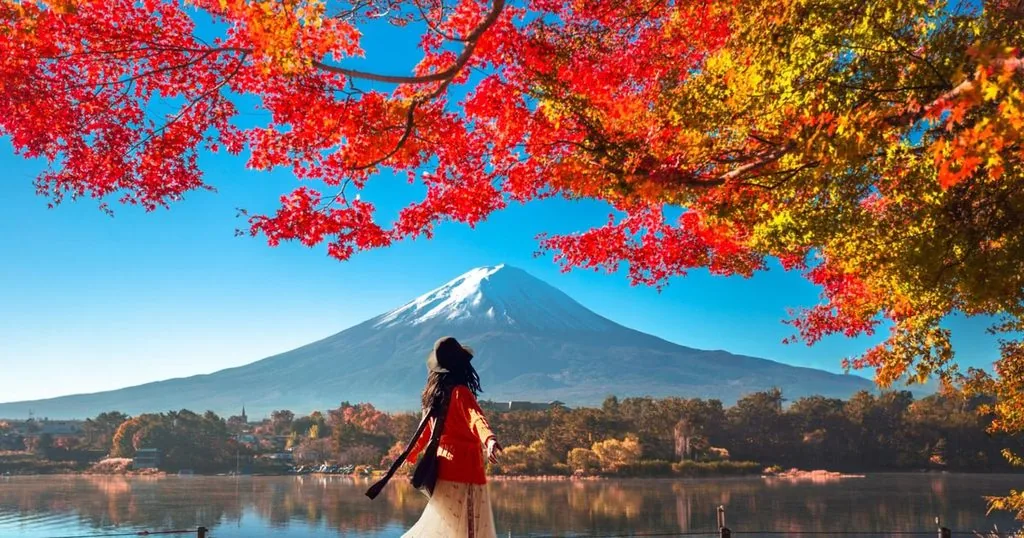
- Lake Kawaguchi and Oishi Park — the classic full-cone views across the water, on the days the cloud deck allows them — check the odds
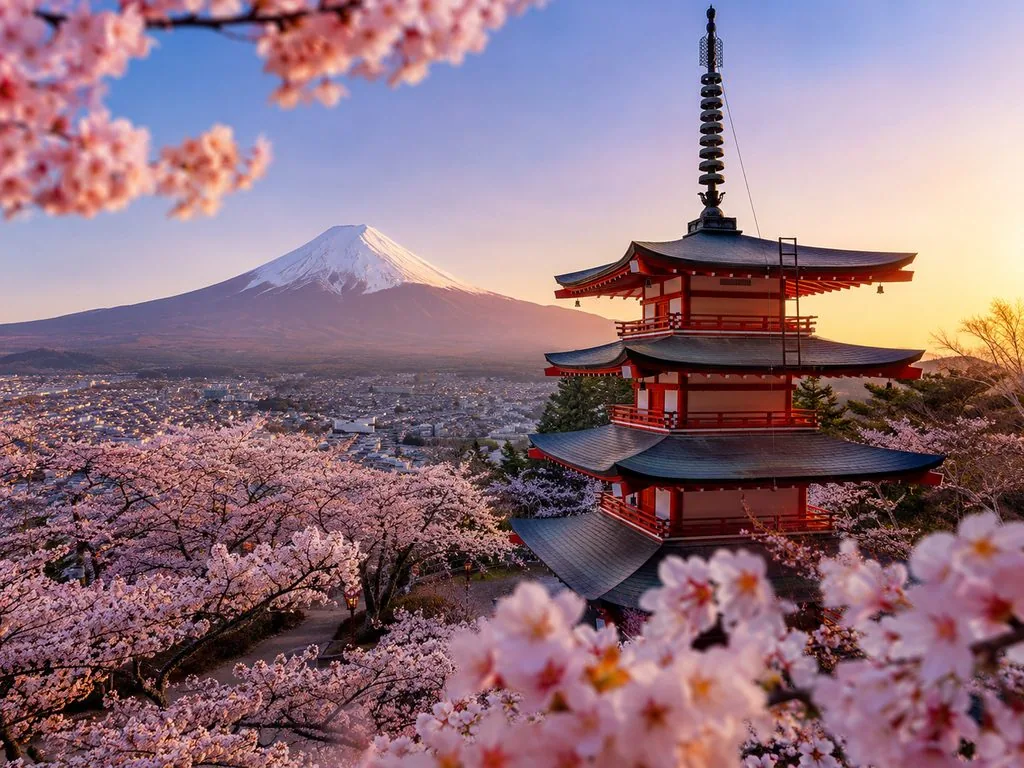
- The Chureito Pagoda at Arakurayama Sengen Park — the postcard frame, at the top of a roughly 400-step climb
- Oshino Hakkai — the spring ponds beneath the mountain, on most viewing itineraries
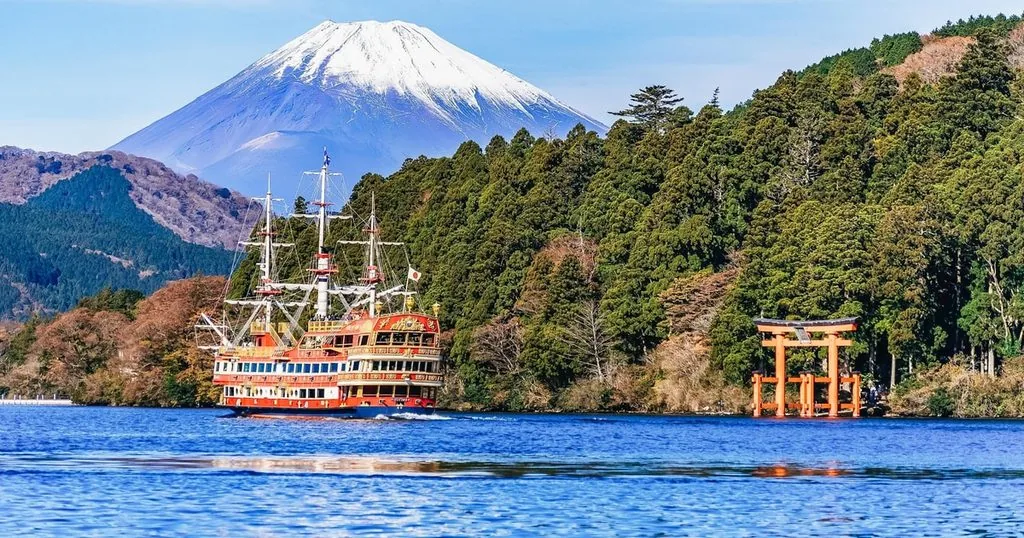
- The Hakone alternative: ropeway, Owakudani and the Lake Ashi cruise — which side to pick
- Free cancellation on most tours, and the three viewing products compared
The stand-on-it tour (the flagship day)
- The 5th Station itself, at 2,305 m — Komitake Shrine, the shops, the melon bread and about an hour on the mountain — what is actually up there
- Road and season permitting — when the Subaru Line is shut, the itinerary substitutes lower stops, and the operator says so plainly
- The Lake Ashi cruise and Hakone ropeway in the same loop, with a Shinkansen return to Tokyo
- No view promised — the station sits inside the cloud layer often, and no tour can change that
- My full review of the flagship day, including why its rating sits where it does
The flagship day, in order
The loop the 5th Station bus tour actually runs, stop by stop. It is a long day built around one hour on the mountain.
The day starts in Shinjuku, climbs the Fuji Subaru Line to the station, then drops to Hakone for the lake and the ropeway before the bullet train carries you back to Tokyo.
- Shinjuku departure — The bus leaves Tokyo in the morning; the run out to the mountain takes roughly 2.5 hours in season.
- The Fuji Subaru Line ascent — The toll road climbs the north side from the Kawaguchiko side. When weather or the seasonal road rules close it, the tour substitutes lower stops — the operator says so, and so do I — how the road works.
- About an hour at the 5th Station — 2,305 m up: the Fujisan Komitake Shrine, souvenir shops, the famous melon bread, and — cloud deck permitting — a look down at the cloud sea and up at the summit cone. Never the full cone itself; you are standing on it.
- Lake Ashi cruise — Down and across to Hakone for the boat across Lake Ashi.
- Hakone ropeway — The ropeway ride above the volcanic landscape — the Hakone half of the day, and for many visitors the scenic insurance policy when the mountain hides.
- Shinkansen return — The bullet train back to Tokyo closes out a 10–12 hour day.
That is the shape of most Shinjuku loops — whether a Tokyo day trip is enough, and my full review of this one.
How to choose, in four steps
Decide what you want from the mountain
Look at it, stand on it, or climb it — three different days, three different bookings. Every bad Fuji day I have witnessed started with skipping this step.
Want to look at it? Stay below
The full cone is only visible from below — the lakes, the park, the pagoda — and the best-rated tours on this mountain never ascend it. That is their point — the viewing tours.
Want to stand on it? Go up with your eyes open
The 5th Station tour puts you at 2,305 m, and some days the station sits inside the cloud with no view in any direction. Book it for the standing, not the seeing — the odds, honestly.
Want to climb it? Read the rules first
Early July to early September only, a mandatory per-climber fee, and gear checks at the trail entrance — the climb from this trailhead. Off-season, the mountain is genuinely dangerous and no tour on this site goes near it.
Check dates for the tour that goes up the mountain
The flagship 5th Station day: the bus to 2,305 m (road and season permitting), the Lake Ashi cruise, the Hakone ropeway and a Shinkansen return, from $151 a person. It rates 4.4 from about 5,300 reviews, and the pattern behind that number is honest: people consistently praise the day and the guides, and the mountain hides consistently often — my full review. If seeing the cone is the whole point of your trip, read the viewing tours first.
Look at it, stand on it, or hire the day outright?
The three listings that settle most decisions here. Prices, ratings and review counts are the live GetYourGuide figures, and every price is a from-price that moves with the date.
| Mt Fuji Views: Oishi Park, Lake Kawaguchi & Oshino Hakkai | The flagshipMt Fuji 5th Station & Hakone Cruise Bus Tour with Bullet-Train Return | Mt. Fuji & Hakone Private Custom Tour with English-Speaking Driver | |
|---|---|---|---|
| Price | $49 / person | $151 / person | $316 / person |
| What it actually does | Looks at the mountain from below — Oishi Park, Lake Kawaguchi and Oshino Hakkai — and never ascends it | Stands you on the mountain at 2,305 m, then the Lake Ashi cruise, the Hakone ropeway and a bullet-train return | A private car for up to 5 with an English-speaking driver, 10–11 hours, built around your list |
| The 5th Station | Never goes up — that is the point of it | The headline stop, road and season permitting; lower stops substitute when the Subaru Line is shut | An optional stop, “weather and road conditions permitting” — the operator’s own words, quoted because they are the honest ones |
| Review base | 4.8 from 5,499 reviews — the best-rated big product on this mountain | 4.4 from about 5,300 — people love the day; the mountain hides often — the cloud problem | 4.8 from 753 — drivers praised by name, flexible routes |
| Who it suits | Anyone whose Fuji photo matters more than their Fuji footstep — reviewed in full | Anyone who wants to say they stood on Mount Fuji — reviewed in full | Groups of 3–5, families, and anyone who wants the itinerary to bend — reviewed in full |
| View → | Book this → | View → |
Photo Gallery
The station, and the views from below
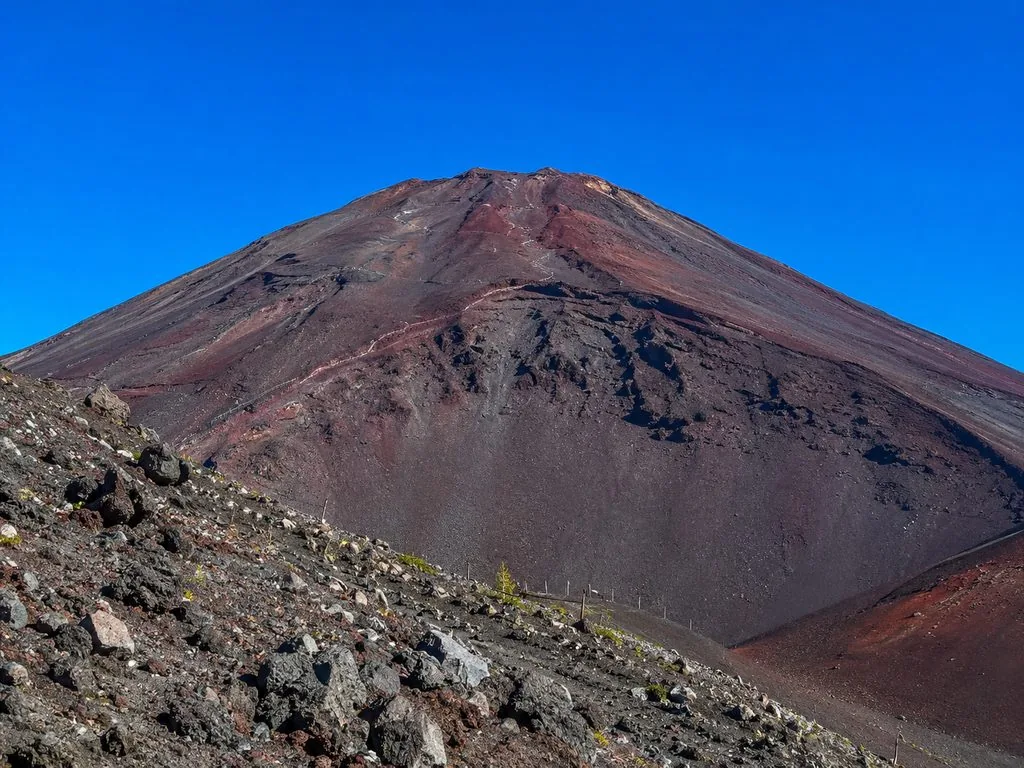
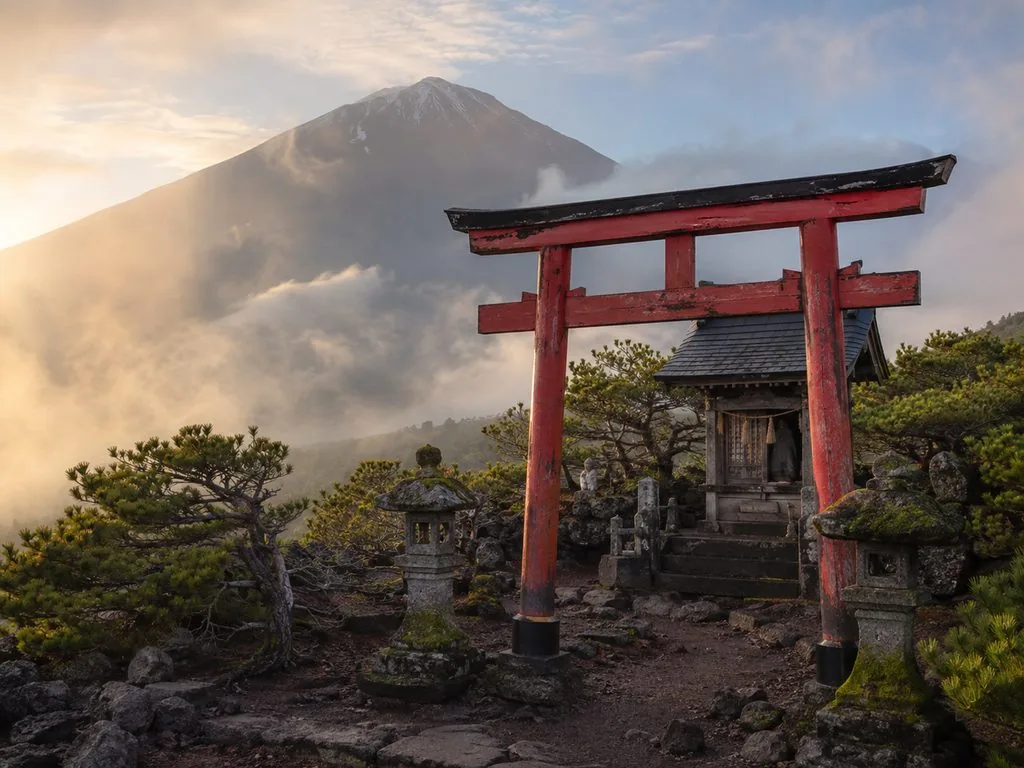
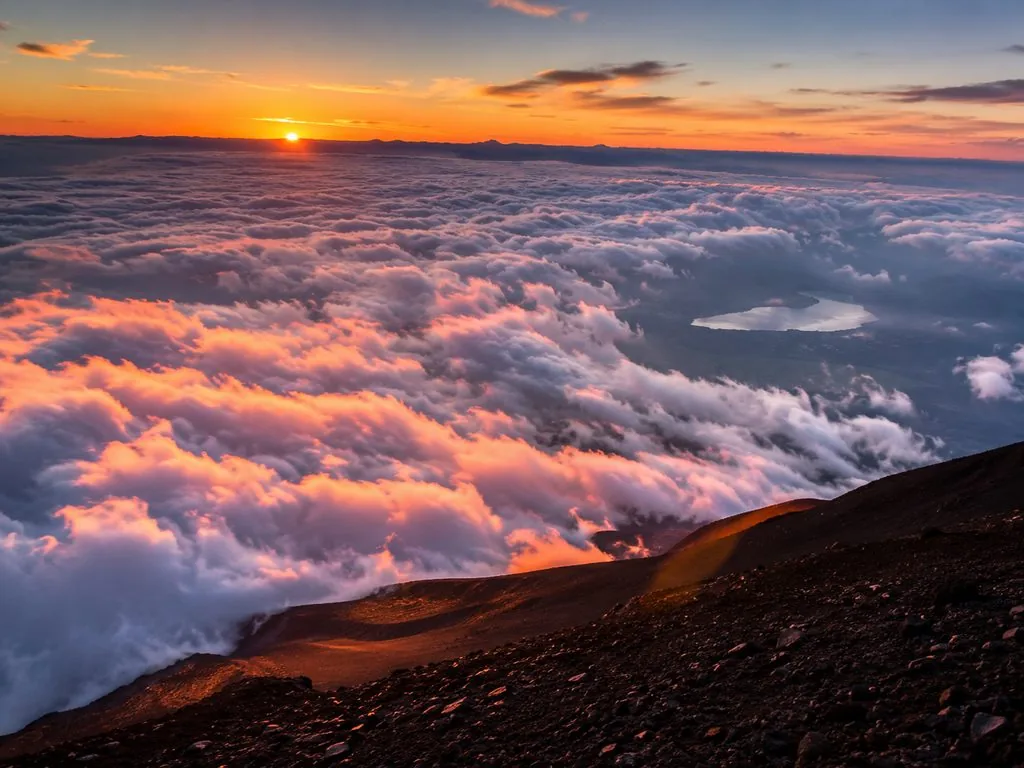
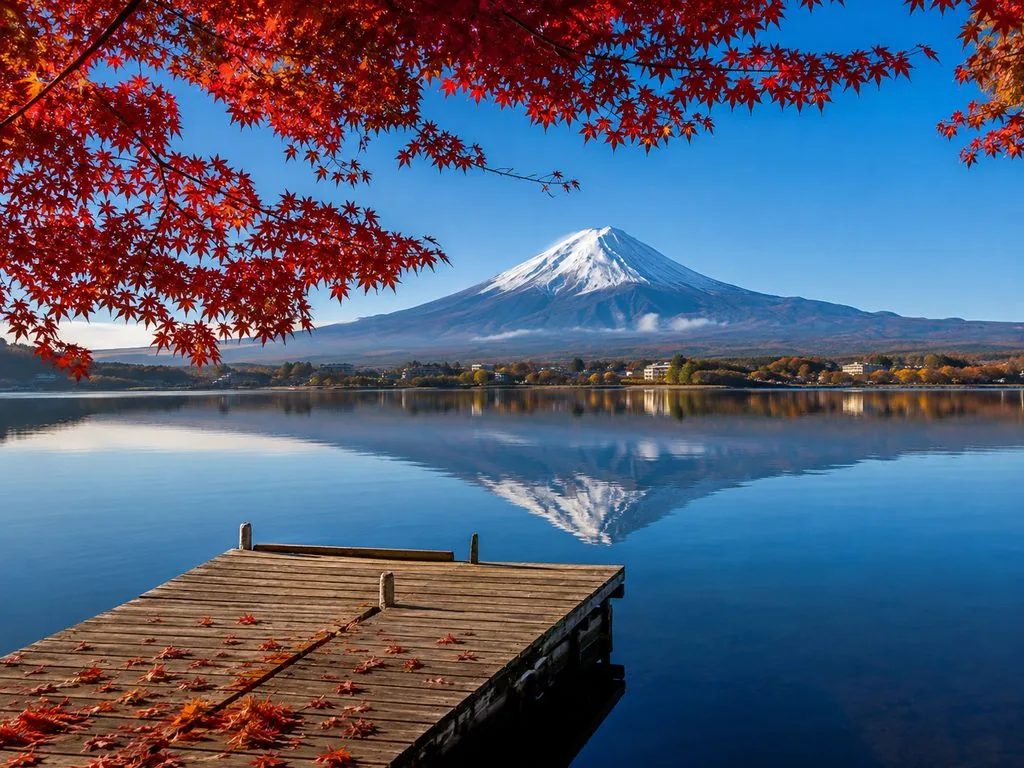
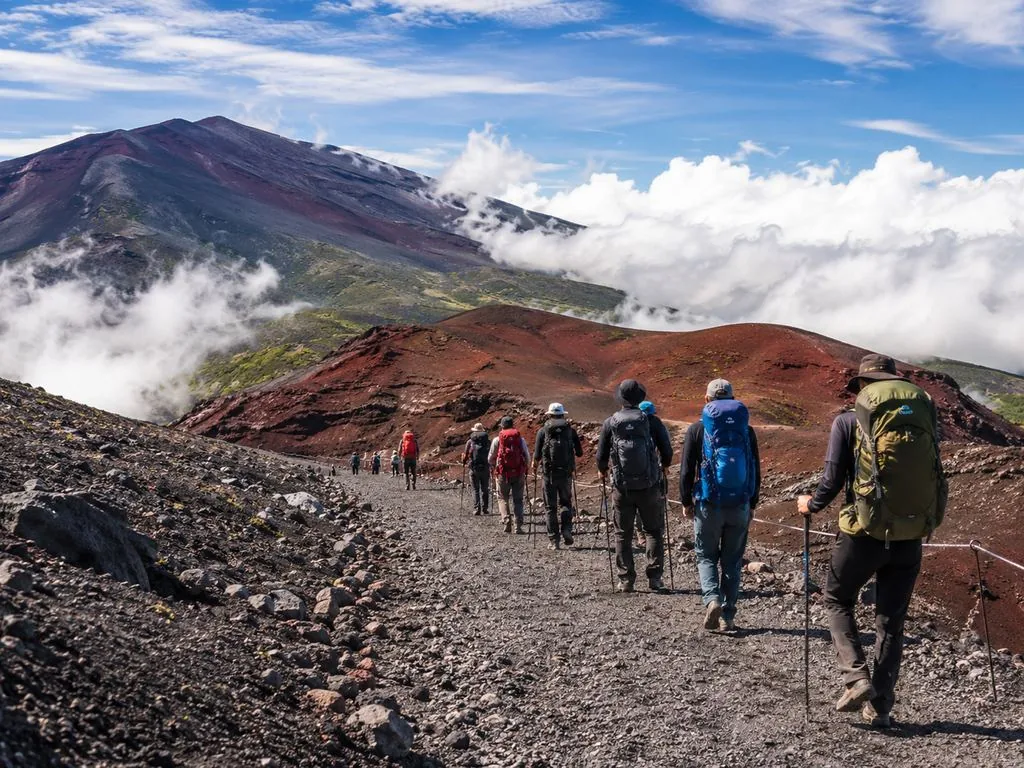
What each vantage point actually shows: from the station you look up at a bare cone or down at clouds; the full mountain belongs to the lakes and the pagoda — on the days the cloud deck allows it.
The six tours worth comparing
Sorted by the fork: two go up the mountain, three look at it from below, one is a private car that does whatever you ask, 5th Station included when weather and road allow. One flag before the cards: the budget 5th Station tour carries only 16 reviews, and I say so wherever it matters. Every product has an honest review on this site, or see all six on one page and what they cost.
 Goes up the mountain
Mt Fuji 5th Station & Hakone Cruise Bus Tour with Bullet-Train Return
 Budget 5th Station
Mt. Fuji 5th Station, Lake Kawaguchi Ropeway & Oshino Hakkai
 Best rated
Mt Fuji Views: Oishi Park, Lake Kawaguchi & Oshino Hakkai
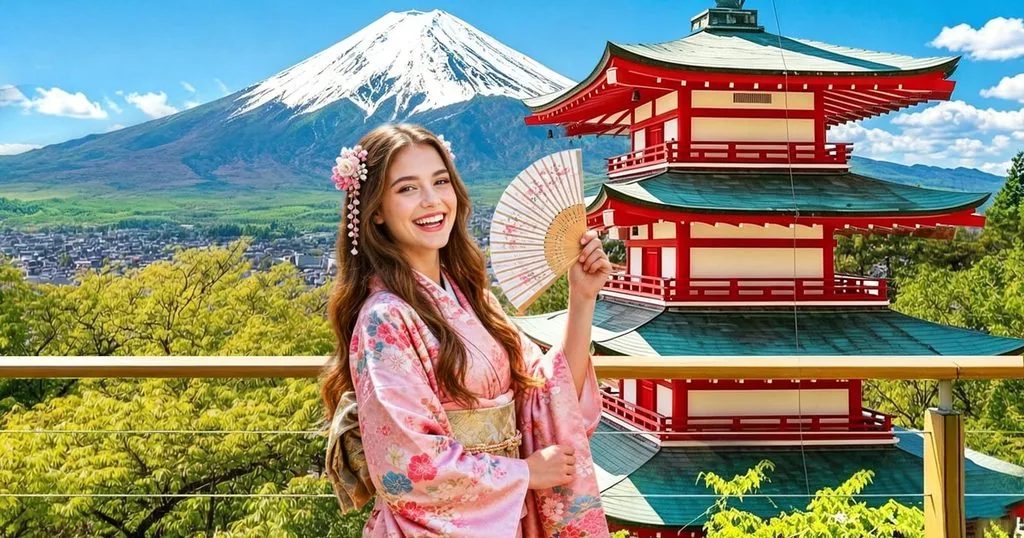 The postcard shot
Mt Fuji, Chureito Pagoda, Lake Kawaguchi & Oshino Hakkai
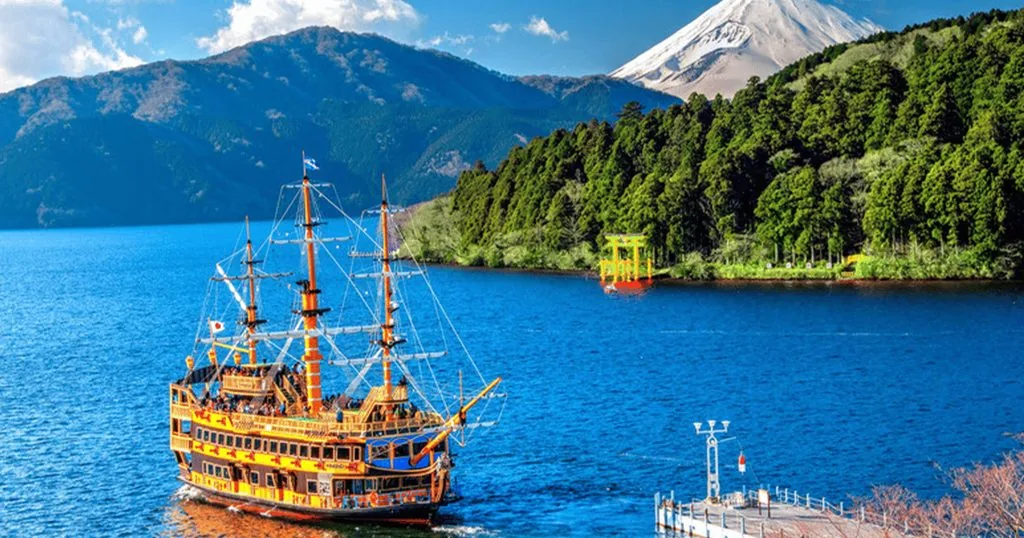 Fuji + Hakone
Mt. Fuji Tour with Hakone Ropeway, Owakudani & Lake Ashi
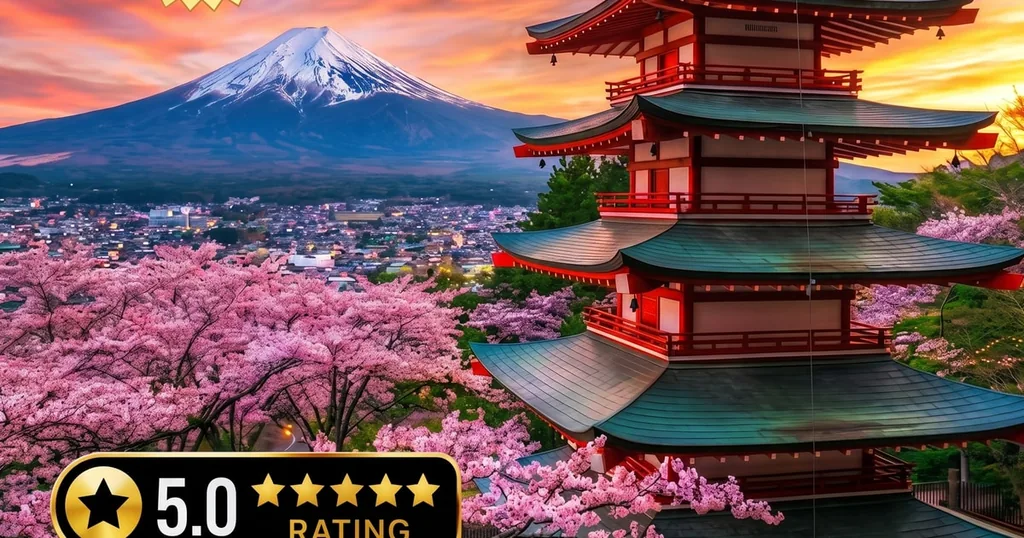 Private, up to 5
Mt. Fuji & Hakone Private Custom Tour with English-Speaking Driver
What people who actually went said
Taken word for word from the GetYourGuide reviews of the tours compared here. Read them closely and you will notice the theme this site is built on: seeing the mountain is an event, not a given — the odds, explained.
Our guide Diffany was very important in guiding us and making up for the fact that Mount Fuji was shy and hiding behind the clouds.
Jack was our guide and he was amazing. We had a wonderful trip and saw many great sites. We were in the 10% that actually saw the summit of Mount Fuji.
We saw Mt Fuji!!! Yay! A full day which ticked most modes of transportation! Bus, train, boat, cable car and feet!
Excellent trip, very knowledgeable guide MEG who made sure we did not miss anything. She even parted the clouds so we could see Mt Fuji
What a beautiful day! Blue skies, we made it to all the locations.
A comfortable ride, a clean bus, strategic stops, and a very experienced and friendly guide – the tour was excellent.
Ratings and reviews are the operators’ live GetYourGuide figures. Read our full tour reviews ›
Four things visitors asked me at the information desk
Nineteen summers on this mountain, and the same questions arrived every week. Here are the short, true versions.
Why do Japanese people say seeing Fuji is good luck?
Because it hides. Mount Fuji is a sacred mountain, worshipped for centuries with Sengen shrines at its foot, and in Japanese culture a clear view of it is considered good fortune — which tells you, politely, how often the clouds win. Visibility is best in winter, worst June to August, and best early morning on any given day — the full cloud story.
What is actually up at the 5th Station?
More than people expect: the small Fujisan Komitake Shrine, souvenir shops, restaurants and food stalls — the melon bread is the famous snack — coin lockers and public toilets. It is the most developed of the mountain’s four 5th stations, which is exactly why the buses come here — what to do up there and the shrine.
Why is climbing season the worst season for seeing the mountain?
An accident of climate. The trails are only open early July to early September, and June to August is exactly the rainy, humid, cloud-wrapped stretch when Fuji shows itself least; the crisp days that put the mountain on postcards are winter days, when the summit is unclimbable and the road may be quiet — the paradox, in full.
Do the tours still run when the road is closed?
Yes, and the honest ones say so up front: when weather or the seasonal rules shut the Subaru Line, the 5th Station tours substitute lower stops on the mountain’s flanks. If standing at 2,305 m is the whole reason you are booking, read whether the ride up is worth it before you decide.
Can’t make these dates?
Browse more available Mt Fuji 5th Station tours and find one that fits your schedule — all with instant confirmation and free cancellation.
The Fuji Subaru Line 5th Station, explained
The Fuji Subaru Line 5th Station — Fuji Subaru Line Gogōme, if you want the Japanese — sits at 2,305 m on Mount Fuji’s north side, the most developed of the mountain’s four 5th stations and the trailhead of the Yoshida Trail, the most popular of the four routes to the 3,776 m summit. Direct buses reach it from Shinjuku in roughly 2.5 hours in season. What no brochure tells you is the first thing I told people at the information desk: you cannot see Mount Fuji from here.
I am Kenji Hoshino. I spent nineteen summers on the Yoshida Trail, first hauling supplies to mountain huts, later behind the information desk at this station, and I live in Fujiyoshida, below the north face. In those years I watched thousands of visitors step off the bus, turn a slow circle, and ask me where the mountain was. This page exists so you are not one of them.
The geometry, and the clouds
The problem is not the weather; it is the geometry. The 5th Station stands on Mount Fuji, so there is no cone to photograph — you look up at a bare summit slope and, on a good day, down onto a sea of clouds. The postcard views belong to the places below: Lake Kawaguchi and Oishi Park across the water, the Chureito Pagoda at Arakurayama Sengen Park at the top of a roughly 400-step climb, and the spring ponds of Oshino Hakkai (the full answer). Then the weather makes it worse: the station sits inside the cloud layer often enough that visitors regularly ride 2.5 hours from Shinjuku to stand in white fog, and no tour at any price can promise otherwise (clouds and visibility). In Japanese culture a clear view of Fuji is considered good luck. Sit with that sentence a moment — it is telling you the odds.
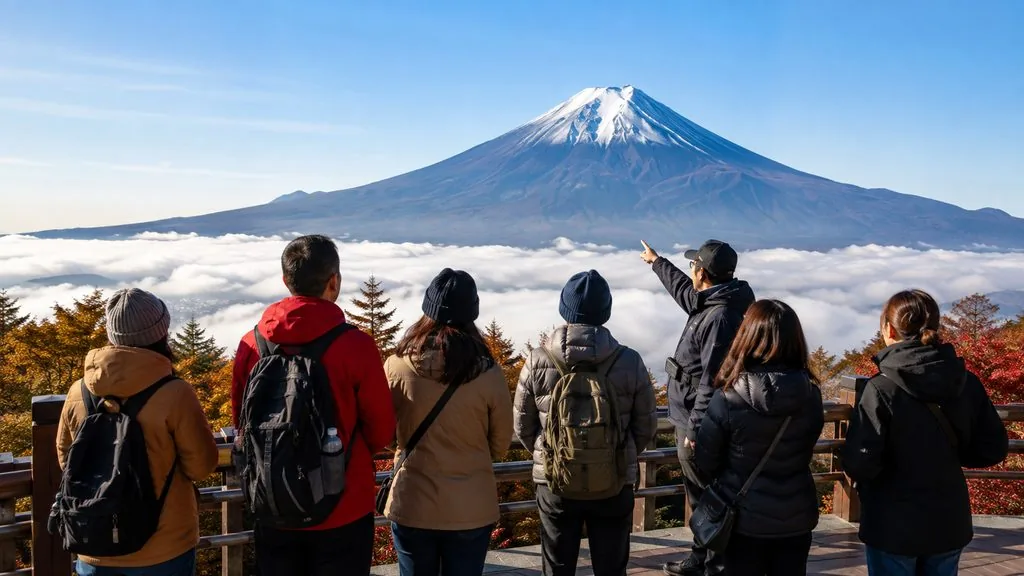
The paradox nobody prices in
The seasons run backwards here. Visibility is best in winter and worst from June to August — rainy, humid, cloud-wrapped — which is precisely when the official climbing season runs, early July to early September. The crisp days that put Fuji on calendars are winter days, when the summit is unclimbable and the road may be quiet. Within any single day, your best window is early morning, roughly 6 to 8 am, and Tuesday to Thursday is calmer than the weekend (when to come). Pack for the altitude either way: temperatures drop about 6 °C per 1,000 m, so a 30 °C day at the base is roughly 16 °C at the station, about 7 °C at the summit (what to wear).
See it, stand on it, or climb it
Every good decision about this mountain starts by picking one of three verbs. If you want to see Fuji, stay below: the viewing loop through Oishi Park, Lake Kawaguchi and Oshino Hakkai is the best-rated big product on this mountain at $49, and it never ascends — that is its point (the viewing tours). If you want to stand on Fuji, the flagship bus day brings you here at $151, with the Lake Ashi cruise, the Hakone ropeway and a Shinkansen return wrapped around the mountain hour — and when weather or the seasonal road rules shut the Subaru Line, it substitutes lower stops, which the operator says plainly and so do I. There is also a $50 budget way up, honest work but carrying only 16 reviews so far, and a $316 private car for up to five where the 5th Station is an optional stop “weather and road conditions permitting” (all six compared).
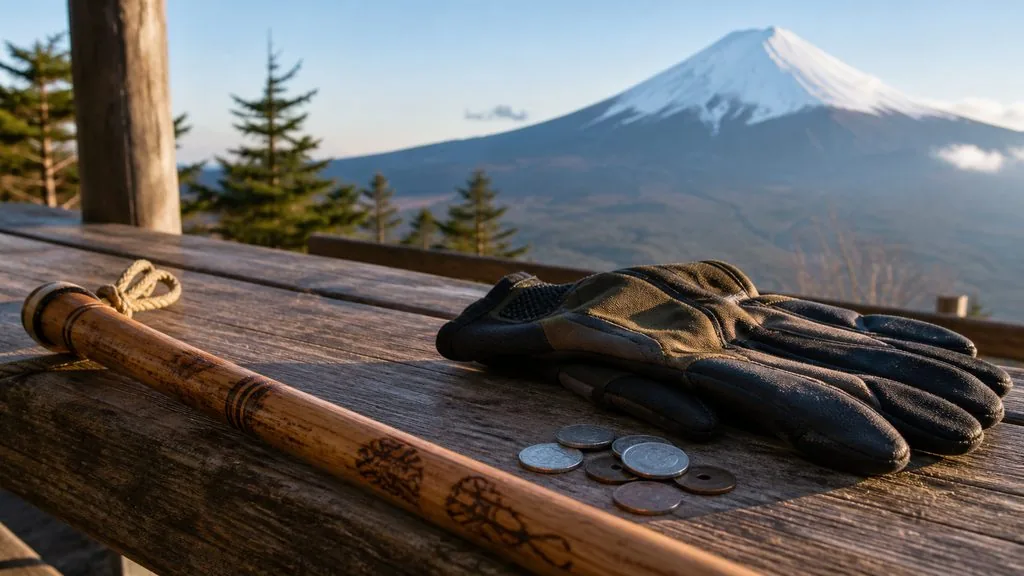
What is actually up here
More than a car park. The small Fujisan Komitake Shrine predates the tourism — this has been a sacred mountain for centuries, a UNESCO Cultural World Heritage site since 2013, last eruption 1707 — and around it sit souvenir shops, restaurants and food stalls, coin lockers and public toilets. The melon bread is the famous snack; I have eaten more of it than I care to count. The standard advice is to spend an hour or two here, and it is sound twice over: it fits the shops and shrine, and it lets your body meet the altitude before any climb (what to do up here).
If you mean to climb
The Yoshida Trail leaves from this station: about six hours up, about four down, usually with a night in a mountain hut for sunrise. A mandatory per-climber fee applies — the current figure is listed on the official site, fujisan-climb.jp — and equipment checks happen at the trail entrance: hiking boots, rain jacket and rain pants, warm layers, never cotton. Respect the altitude; about 30% of climbers report at least mild sickness, and summit air carries roughly two-thirds of sea-level oxygen (how to handle it). And outside the season, do not. Trails are snowbound November to April, wind chills near −30 °C above the 8th station, winds of 40–50 m/s. Nineteen summers taught me where bravado ends (the climb in full).
That is the whole method. Pick your verb, then book the day that matches it — and if the cloud deck swallows the station anyway, buy the melon bread, touch the shrine gate, and remember you are standing on the thing everyone else is photographing.
Frequently asked questions
Is the Mt Fuji 5th Station worth visiting?
If you want to stand on Mount Fuji, yes — this is the easiest place on earth to do it, and the shrine, the shops and the thin air at 2,305 m make the hour memorable. If you want to look at Mount Fuji, no: the full cone is only visible from below, and the station sits inside the cloud layer often enough that some days offer no view at all — the worth-it question, taken seriously and the cloud odds.
Can you see Mount Fuji from the 5th Station?
Not the mountain itself — you are standing on it, so there is no cone to photograph. On clear days you look up at the bare summit and down over a sea of clouds; on socked-in days you see white in every direction. The postcard views are from Lake Kawaguchi, Oishi Park and the Chureito Pagoda — the geometric answer and the tours that go there.
How long should you spend at the 5th Station?
An hour or two is the standard advice, and it is good advice. That covers the Komitake Shrine, the shops and the famous melon bread, and it doubles as acclimatisation at 2,305 m for anyone climbing on — what to do up there and why the acclimatising hour matters.
Can you drive up to the 5th Station?
Outside the climbing season, usually: the Fuji Subaru Line toll road stays open most of the year, weather permitting, and mountain weather closes it without notice. During the season, July 1 to September 10, private vehicles are banned and park-and-ride shuttles take over — the road rules and every way up.
How cold is it at the 5th Station?
Figure on a drop of about 6 °C per 1,000 m of altitude: a 30 °C summer day at the base is roughly 16 °C at the station and about 7 °C at the summit, whose annual average is −7.1 °C. Bring layers even in August — what to wear at 2,305 m.
Can you climb Mount Fuji from the 5th Station?
Yes — this is the trailhead of the Yoshida Trail, the most popular of the four summit routes, open early July to early September. Count on about six hours up and four down, usually with a mountain-hut night for sunrise, plus a mandatory per-climber fee and equipment checks at the trail entrance — the climb in full, with the official rules at fujisan-climb.jp. Outside the season the mountain is genuinely dangerous, and nothing on this site encourages an off-season attempt.
Is Mount Fuji doable as a day trip from Tokyo?
Yes, as a long one. Bus tours run Shinjuku loops of 10 to 12 hours, and the Fuji Excursion limited express reaches Kawaguchiko in just under two hours for an independent half-day on the lake side — the honest arithmetic and which side to spend it on.
What is the best month to visit the 5th Station?
For seeing the mountain, winter — visibility is best on crisp cold days and worst June to August, exactly when the climbing season runs. For standing on it or climbing it, summer, when the road and trail are open. On any day, the clearest window is early morning, roughly 6 to 8 am, and Tuesday to Thursday runs quieter — the timing paradox and the visibility numbers.
Still have questions? Email us [email protected]